
City Guide
Kortrijk, Belgium
A compact, production-focused city where residencies plug you straight into makers, institutions, and the urban fabric.
Why Kortrijk is interesting for residencies
Kortrijk is not a “big art market” city. That’s part of the appeal. You go there to work, test, and prototype, with strong support from design and cultural institutions that actually want you to use their infrastructure.
The city sits at a sweet spot between contemporary art, design, and making. It is part of the UNESCO Creative Cities Network for design, and a lot of the residency culture reflects that: small-scale interventions, prototypes, and projects that touch the city and its people.
If your practice involves materials, spatial thinking, social engagement, or design-driven research, Kortrijk is worth a serious look.
Kortrijk’s art and design ecosystem
To understand residencies in Kortrijk, it helps to know who actually holds the keys to the spaces, budgets, and tools.
Designregio Kortrijk
Designregio Kortrijk is a regional platform for creativity, innovation, and entrepreneurship. On paper that sounds corporate; in practice, it runs one of the more interesting residency formats in Belgium for design-forward artists and makers.
Designregio is strongly linked to the city’s UNESCO Creative City of Design status, and works closely with local education, industry, and public institutions. If your project sits at the intersection of design, social questions, and spatial or material experimentation, this is the ecosystem you tap into.
BUDA and Buda Island
kunstencentrum BUDA anchors the Buda Island area, which is where a lot of rehearsal spaces, production facilities, and performance-related residencies live. BUDA supports theater, dance, performance, and hybrid practices that need time, space, and technical support rather than white-cube galleries.
The surrounding Buda district brings together cultural venues, makerspaces such as Budalab, and workspaces like Budafabriek and Bolwerk. Think of it as a compact creative campus embedded in the city.
ABBY Kortrijk, rhizome_, and other partners
ABBY Kortrijk (the museum of visual art) and rhizome_ add more contemporary art and exhibition-oriented layers. They often co-host residencies or provide the public-facing part of a project, whether that’s a show, a presentation weekend, or a temporary installation.
Residencies in Kortrijk tend to be collaborations between these players. That means you’re not only getting a studio, you’re also entering a network of curators, educators, local makers, and city departments.
Key residency programs in Kortrijk
Designers in Residence Kortrijk (Designregio Kortrijk)
Host: Designregio Kortrijk
Typical duration: around three months, full-time
Where to look: Designregio Kortrijk website, On the Move, TransArtists, and other open-call platforms.
This is Kortrijk’s flagship residency for designers and design-adjacent artists. Each edition works with a broad theme and asks residents to think about future urban conditions, public space, or material/industrial legacies.
What it usually offers
- Accommodation in Kortrijk for the residency period
- A fee or stipend for each designer/artist
- Travel reimbursement (often covered as a one-time cost)
- Access to Budalab Open Makerspace and workshop facilities
- Expert support, mentoring, and introductions to local partners
- Public presentation moment: exhibition, installation, or other outcome
The host connects you to citizens, local industry, craft knowledge, and education. Past editions have involved themes linked to ceramics, vacant industrial buildings, and broader “metamorphosis” or urban futures. The focus is less on commercial product design and more on speculative, research-driven work that still has a physical or spatial dimension.
Who it suits
- Recently graduated designers and artists eager for a structured, intensive residency
- People who enjoy working in small teams or cohorts
- Practices that are okay with a theme and public outcome built into the residency
- Designers who want to prototype with local makers or test ideas through citizen engagement
What to pay attention to when applying
- Show that you can respond to a theme with depth, not just formal aesthetics.
- Make it clear how you work in context: with people, spaces, or existing buildings.
- Highlight any experience across disciplines: architecture, product, interaction, performance, social practice, etc.
- Address how you imagine using the makerspace and production tools.
BUDA residencies (kunstencentrum BUDA)
Host: kunstencentrum BUDA
How to apply: by email to residency@budakortrijk.be
Info: BUDA residency guidelines
BUDA offers residencies tailored to performing arts and interdisciplinary projects that need time, space, and technical support rather than a traditional studio only. The application process is relatively straightforward and focuses on what you want to work on and what you need.
What BUDA usually asks for
- Short project description (a few lines up to one page)
- Brief artistic background and previous projects (links are welcome)
- An explanation of how BUDA can support the project
- Ideal timing and some alternative dates
- Description of space needs (rehearsal, studio, black box, technical setup)
- How many people are involved and who needs accommodation
What the residency can offer
- Rehearsal or studio spaces adapted to performance or research
- Accommodation for individuals or small teams, depending on availability
- Technical and production support
- A quieter, concentrated work period, sometimes with work-in-progress sharings
The exact package depends on your project and on BUDA’s programming schedule. They often plan seasons ahead but can sometimes accommodate shorter-notice residencies.
Who it suits
- Choreographers, theater makers, performance artists
- Interdisciplinary artists who use performance, video, or live elements
- Projects in early research phases that need experimentation more than a final show
- Collaborative groups needing rehearsal time with some technical support
When reaching out, be specific about what you actually need: days per week, technical setup, audience or no audience, and whether you’re open to feedback sessions or informal sharings.
Be-Part / rhizome_ summer residency
Hosts: Be-Part and rhizome_
Location: rhizome_ exhibition space in the station district
Where to look: Artwork Archive, host websites, and open-call portals
This summer residency format embeds your work right in the urban flow. In past editions, the residency has taken place in rhizome_’s exhibition space near the station, with one or more public presentation weekends plus a final showcase.
What it has offered in previous calls
- Artist fee for the residency period
- Production budget for materials and project costs
- Dedicated workspace in a highly visible, public-facing location
- Public presentation weekends built into the residency
- A final public showcase towards the end
What the hosts are usually looking for
- Interdisciplinary practices happy to work in an open studio or semi-public setting
- Projects that respond to the urban context, local audiences, or station area
- Work that can host encounters: conversations, workshops, informal visits
- Artists who see the exhibition space as a platform for process, not just a finished show
When reading future calls from Be-Part or rhizome_, pay attention to how they phrase “encounters,” “dialogue,” or “exchange.” The expectation is usually that you’ll engage, not just close the door and produce in isolation.
Shorter or niche opportunities
Kortijk also pops up in broader databases such as TransArtists, AIR_J, and other open-call platforms. These can include mini-residencies, short research stays, or project-based invitations tied to events or festivals.
A practical approach:
- Set alerts or check-ins for “Kortrijk” on platforms like On the Move and TransArtists.
- Keep an eye on newsletters from Designregio Kortrijk, BUDA, and ABBY Kortrijk.
- Look for calls that mention Buda Island, Budafabriek, or Budalab; those often come with strong infrastructure.
Where you’ll actually be working
Neighbourhoods that matter
Station district
Rhizome_ and some project spaces are based around the station district. Staying nearby means easy access to trains plus a direct line into the daily rhythm of the city. It’s a good base if your project relies on passersby, commuters, or public interventions.
City centre
The historic centre is compact, with shops, cafes, and public institutions within walking distance. For many residencies, accommodation or studios are either in or within walking distance of this area. If you like stepping out of the studio to get a quick read on the local atmosphere, this is where you’ll feel it most.
Buda Island / Buda district
This area is central for cultural activity: BUDA, Budafabriek, Budalab Open Makerspace, and other workspaces cluster here. If you’re on a performance or design-oriented residency, chances are you’ll spend a lot of time on or around Buda Island.
Studios, tools, and makerspaces
Kortrijk’s strength is its infrastructure. You’re not just borrowing a desk; you’re often plugged into shared tools and production environments.
- Budalab Open Makerspace: Digital fabrication, prototyping, and collaborative making. Very relevant for designers, architects, and installation artists.
- Budafabriek: Hybrid space linking creative making, exhibitions, and education. Useful as a context and sometimes as a project site.
- Bolwerk Workspace: Another site for creative production and collaboration; occasionally tied to projects and residencies.
- BUDA production spaces: Black boxes, rehearsal studios, and technical facilities for performance and live work.
- rhizome_ exhibition space: Functions both as a gallery and a working studio during some residencies, especially those focused on public engagement.
If your project needs specialist equipment or technical support, mention that clearly in your application. Kortrijk is one of the few smaller cities where that level of detail can actually improve your chances, because the infrastructure exists and hosts want to see you use it intelligently.
Living and working in Kortrijk
Cost of living and budgeting
Compared to Brussels or Antwerp, Kortrijk is generally more affordable, but Belgium as a whole is not cheap. Residencies with accommodation included can make the difference between a workable project and a financial stretch.
What to factor in
- Housing: If a residency covers accommodation, great. If not, short-term rentals can still be manageable, especially outside high tourist seasons.
- Food: Supermarket prices are similar to other Belgian mid-sized cities. Eating out regularly adds up, so self-catering is useful.
- Local transport: Many areas are walkable or bikeable. If you’re near the centre or Buda Island, you may not need public transport daily.
- Production costs: Some residencies provide a production budget. Read carefully what’s covered (materials, printing, fabrication, transportation, documentation).
When budgeting, keep a margin for unexpected print runs, hardware, or small technical purchases. The temptation to upgrade your project once you see the tools available is real.
Getting there and moving around
Arrival
- Train connections from Brussels, Ghent, Bruges, and Antwerp are straightforward.
- If you’re flying into Belgium or a nearby country, trains will usually get you the rest of the way.
- Residency hosts often provide clear instructions from the station; some are within walking distance.
Inside the city
- Walking and cycling are usually enough for daily life if you live near the centre or Buda Island.
- Public transport can be useful for specific trips, but many residency setups are designed so you can do most things on foot.
- Having a car is rarely a requirement unless your project involves frequent visits to locations outside the city or moving large installations.
Visa and admin basics
EU/EEA/Swiss artists
Short residencies in Belgium are usually administratively simple. You might need basic registration for longer stays or specific funding arrangements, but the barrier is low compared to non-EU visitors.
Non-EU artists
- Check if you need a short-stay Schengen visa for residencies under 90 days.
- For longer stays, look into Belgian long-stay visas or residence permits.
- Confirm that the host can provide an official invitation letter and residency agreement.
- Clarify if the fee or stipend is considered taxable income, and how that interacts with your home country.
Residency organizers can usually support paperwork with documentation and letters, but they do not control visa decisions. Build enough time into your planning to handle consulate appointments and processing.
Local scene, events, and how to plug in
How the community is structured
Kortrijk’s scene is relatively tight-knit and organised around institutions and makerspaces rather than a large number of independent galleries. That can work in your favour: people tend to know each other, and introductions go a long way.
Key nodes include:
- Designregio Kortrijk for design, urban, and speculative projects
- kunstencentrum BUDA for performance, dance, and cross-disciplinary work
- ABBY Kortrijk for visual art, exhibitions, and curated projects
- Budalab / Budafabriek / Bolwerk for making, prototyping, and community events
- rhizome_ for experimental presentations and residency-related activity
What to look for while you’re there
Instead of only focusing on final shows, keep an eye out for:
- Open studios or work-in-progress sharings
- Talks and panel discussions linked to residency themes
- Makerspace events or workshops where local designers test prototypes
- Performance showings and small festivals around BUDA
- Collaborations between ABBY Kortrijk and design or residency programs
These events are often where you meet potential collaborators, document your network, and set up future projects beyond the residency itself.
Is Kortrijk the right fit for your practice?
Who tends to thrive there
Kortrijk is especially strong for artists and designers who:
- Work across disciplines (visual art, design, architecture, performance, social practice)
- Enjoy research and experimentation with a concrete, material or spatial output
- Want access to tools and technical support rather than a purely conceptual residency
- Are open to public engagement, workshops, or participatory formats
- Prefer a focused, small-city atmosphere over a high-pressure art market
Who might find it less useful
Kortrijk may feel limiting if you:
- Need a dense commercial gallery circuit and collectors walking through openings every week
- Are looking for a 24/7 international nightlife scene
- Rely heavily on large networks of independent artist-run spaces
- Want a residency that functions mainly as a retreat rather than a public-facing project
Quick recap: key residency names to track
- Designers in Residence Kortrijk – three-month, design-focused residency with fee, accommodation, and makerspace access.
- BUDA residencies – flexible, production-oriented support for performance and interdisciplinary practices.
- Be-Part / rhizome_ summer residency – public-facing, urban-context residency with artist fee and production budget.
If your work lives between art, design, and social context, Kortrijk gives you real tools, real partners, and a city scale that lets you actually meet the people you’re designing or making for.
Residencies in Kortrijk

BUDA
Kortrijk, Belgium
Kunstencentrum BUDA, located in Kortrijk, Belgium, is a vibrant arts center dedicated to supporting the creation and development of performing arts projects. Hosting around 70 residencies each year, BUDA offers a variety of residencies including full technical residencies in their theaters at Budascoop, as well as studio work and research residencies in Budatoren. The center provides essential resources such as studio space, accommodation, and weekday lunches, fostering an environment where artists can focus on their creative processes. BUDA is committed to inclusivity, welcoming artists from diverse backgrounds and practices, ranging from emerging to established professionals. Residencies are open to various disciplines within the performing arts, with a strong emphasis on innovation and collaboration. The program also includes support in technical aspects, content development, and networking, allowing artists to deeply engage with their work and the local community. Applications are open annually with several deadlines, and residencies are planned well in advance to accommodate different project needs. BUDA’s residencies are ideal for artists looking to explore new ideas in a supportive and well-equipped environment.
Designers in Residence Kortrijk
Kortrijk, Belgium
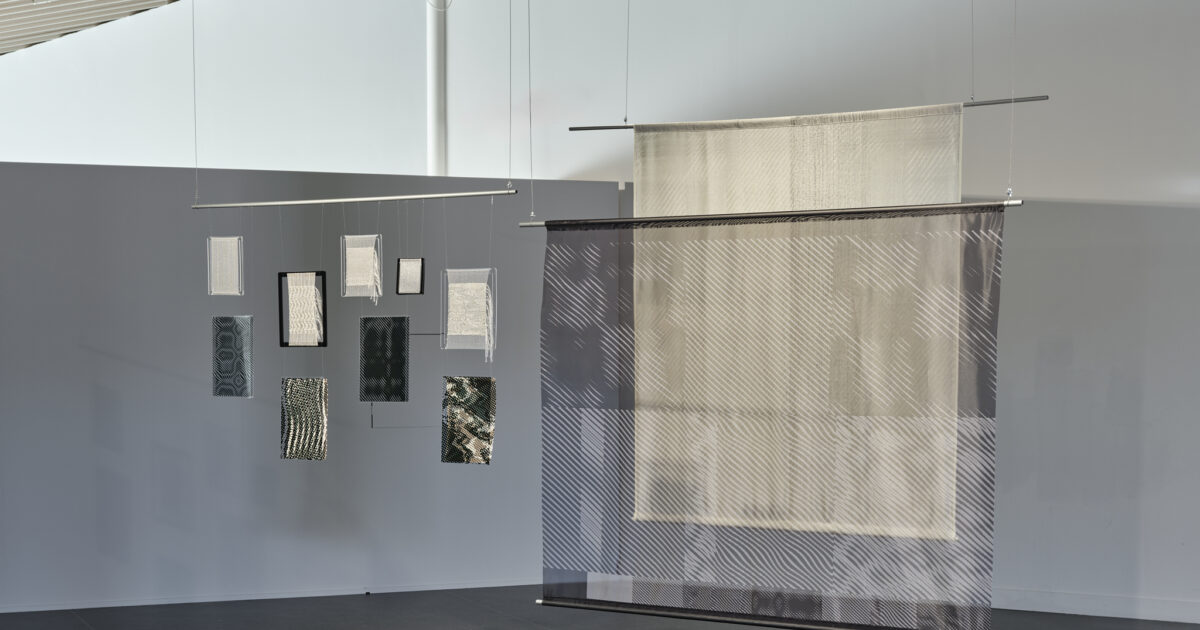
Designers in Residence Kortrijk is an annual 3-month intensive residency program that invites three recently graduated designers and makers from diverse creative disciplines to develop experimental projects in Kortrijk, Belgium. Participants work within the region's creative community, engaging with citizens, entrepreneurs, and educational institutions while having access to maker facilities and expert support.
DESIGNREGIO Kortrijk
Kortrijk, Belgium
Designregio Kortrijk annually invites recently graduated designers from various creative disciplines to participate in its Designers in Residence Kortrijk program. Established in 2014, this residency allows selected designers to develop experimental concepts through interactions with citizens, society, entrepreneurs, and education in Kortrijk. Running from September to November, participants create contextual work and engage in inspiring excursions and conversations. The residency includes travel reimbursement, accommodation, a fee, and access to the Budalab Open Makerspace. Designers showcase their research at the Kortrijk Creativity Festival and Design Fest Gent. Eligible candidates must be recent graduates with manual and conceptual skills, ready to collaborate and innovate.
Explore Belgium
More city guides
Opportunity Intelligence
Ready to find your next residency?
Get a personalized shortlist — scored against your practice, discipline, and what you need right now.
See how Intelligence works →