Artist Residencies in Panicale
1 residencyin Panicale, Italy
First, which Panicale are you actually looking at?
There are two different Panicales in Italy that show up when you start researching residencies, and they can easily get mixed up:
- Panicale, Licciana Nardi (Tuscany, Lunigiana) – small rural village in the foothills of the Apennine Mountains. This is where Studio Panicale is located.
- Panicale, Umbria – a better-known hill town near Lake Trasimeno, with its own tourism and cultural life, but not the home of Studio Panicale.
When you’re looking at residencies, addresses, or transport, make sure you’re working with Panicale, Licciana Nardi (MS 54016, Tuscany). That’s the one that matters for this guide.
Why artists go to Panicale
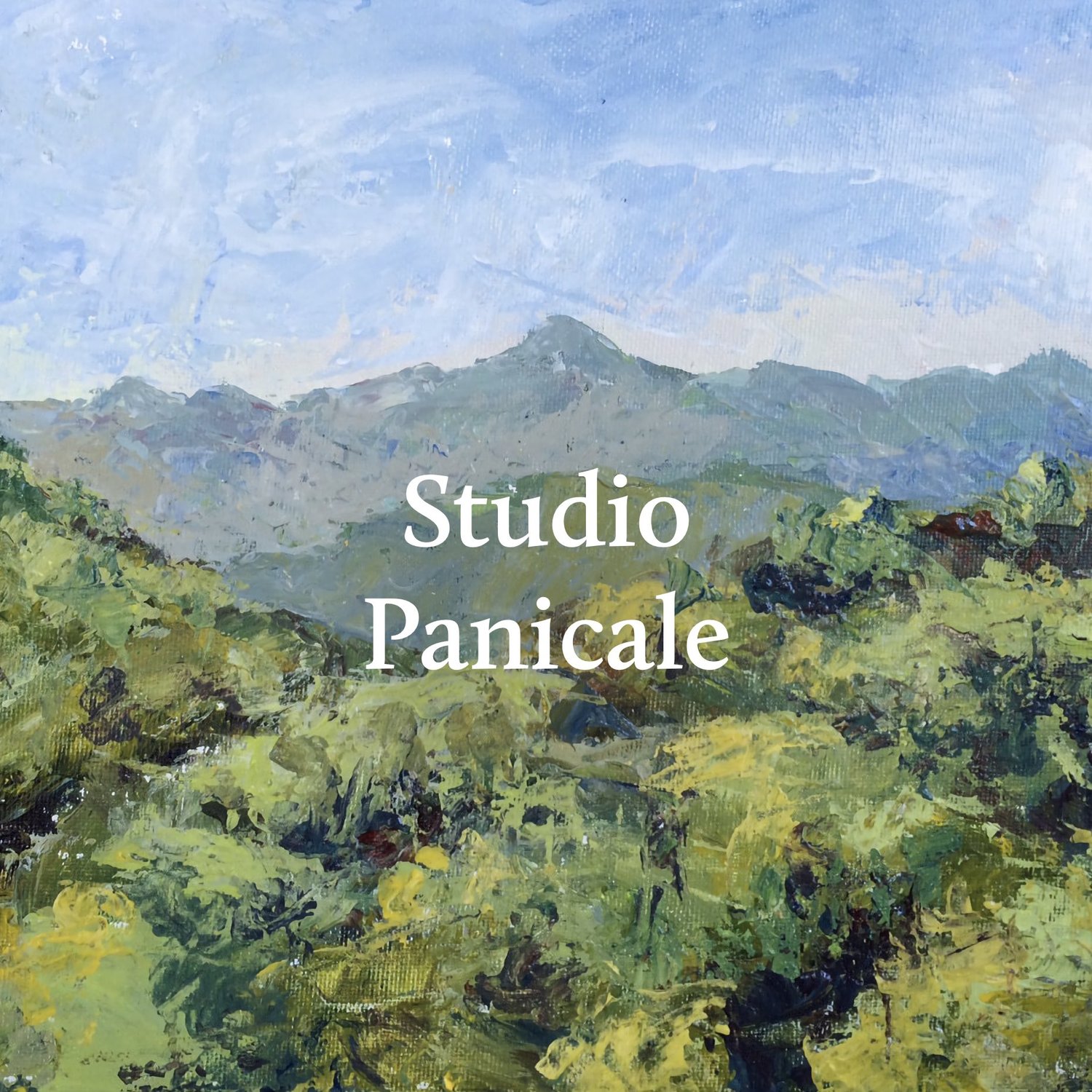
Panicale is not a city art district; it’s a small village in the Lunigiana region, surrounded by wooded hills and views of the Apennine Mountains. The draw here is simple and pretty clear:
- Quiet and seclusion for focused work
- Landscape and light – olive groves, garden space, mountain views
- Domestic comfort – two traditional houses turned into a residency hub
- Self-directed time – no heavy program schedule or city noise competing with your attention
Instead of hopping between exhibitions and openings, you spend your days moving between studio, house, and the landscape. It’s ideal if you need a reset: new body of work, writing project, or just space to think without the noise of a bigger city.
Studio Panicale: the residency at the heart of the village
Location: Via Ventura Peccini 9, Panicale, Licciana Nardi, Massa-Carrara, Tuscany, Italy.
Studio Panicale is the main (and currently, effectively the only) structured artist residency in this village. It’s run as an informal cooperative by people who care about the arts and about Italy, and it’s been welcoming artists since around 2018.
Set-up and facilities
The residency spans two refurbished traditional houses at the tip of the village, with a pretty generous setup for a small rural program:
- Two retreat houses with shared and private rooms
- Seven bedrooms total, which can be allocated privately or shared
- Up to around 14 residents at a time, depending on room configurations
- Large garden for working or resting outside
- Olive groves, a pool, and even a tree-house
- A covered shelter outdoors for gathering or working
The houses are modernised inside but still feel like old Italian homes, so you’re not in a faceless dorm block. It’s more like living in a shared countryside house with other artists.
The studio: what you actually work with
The main studio is in the cantina of the first house. It’s not an industrial warehouse; think bright, modern basement-level workspace designed for up to six artists at once.
Studio Panicale provides:
- Tables and desks
- Portable easels
- Portable stools (handy for working outside)
- Sinks and basic cleanup facilities
- Storage space
- A pottery wheel
- A small kiln
You’re expected to bring your own consumables:
- Canvases and paper
- Paints, inks, mediums
- Brushes and drawing tools
- Any specialist tools you rely on
There are local art shops in Sarzana, about a 40-minute drive away, but it’s not the kind of place where you run downstairs to a big art supply store. If you’re particular about brands or formats, pack them or plan a supply run once you arrive.
Who this residency actually suits
Studio Panicale tends to work well for:
- Painters and visual artists who can work flexibly in a shared studio
- Printmakers and mixed-media artists who don’t need heavy industrial kit
- Ceramicists who can work with a single wheel and small kiln setup
- Writers who mainly need quiet, wifi, and a table
- Photographers interested in landscape and village details
- Small groups and tutor-led courses focused on practice, not networking
The residency is self-directed. There’s no fixed curriculum or critique schedule unless it’s part of a specific course you join. You set your own agenda, pace, and output.
Residency format and living situation
Studio Panicale describes its setup as flexible, with options for:
- Solo residencies where you have a room and studio access
- Shared stays of up to four artists in one house or more across both houses
- Partners and families by arrangement, usually at an extra cost
Residency lengths tend to range from about a week up to a couple of months, depending on what you negotiate and what they have available. That makes it workable both for a short reset trip and for a more extended period to build a full project.
Courses, mindfulness, and hybrid retreats
On top of standard self-directed residencies, Studio Panicale occasionally hosts:
- Artist- or tutor-led creative retreats
- Mindfulness and life coaching groups
- Workshops that blend art-making with reflective practices
If you like the idea of mixing studio practice with more introspective work, this can be a plus. If you prefer a pure studio environment, it’s worth asking what else is scheduled during your stay so you understand the overall vibe.
Costs, bursaries, and how funding works
The residency is self-funded for most artists. You usually pay a weekly fee (which can vary by season) covering accommodation and access to the studios and grounds.
There is mention of a bursary that offers free accommodation for up to two weeks for student creatives. Exact conditions and availability change, so you’ll want to check the Studio Panicale site for:
- Who qualifies as a student or emerging artist
- What the application entails
- How often they award these spots
Even when fully self-funded, day-to-day costs in Panicale are generally lower than in bigger Italian cities, but transport and occasional supply runs can add up.
The wider context: Panicale’s “scene” and nearby options
Panicale itself is small. You don’t go there for a cluster of galleries or an urban art ecosystem; you go to work. That said, it sits within a broader region that can feed your practice.
Local art life: what actually exists on the ground
Concrete things you can count on in Panicale:
- Studio Panicale’s rotating cohort of visiting artists
- Occasional workshops or group residencies
- A kind of micro-community built inside the houses and studio
What you won’t find in the village based on current information:
- A formal gallery district
- A packed schedule of public openings
- A year-round local collective of dozens of permanent artists
If you want exhibition opportunities or to plug into a wider, ongoing scene, you’ll be looking toward nearby towns and cities in Tuscany and beyond.
Supplies, errands, and the nearest “real town”
For practical errands and extra materials, artists commonly reference:
- Sarzana – about 40 minutes away, with art shops, supermarkets, cafés, and a more urban feel.
- Other nearby Lunigiana towns – smaller, but useful for groceries and basic services.
If you need specialist items or larger canvases, it’s smart to decide in advance whether you’ll:
- Check them as luggage
- Ship them ahead to the residency
- Plan a one-time supply trip early in your stay
Comparing rural Panicale to a city residency like Palazzo Monti
If you’re researching Italy more broadly, you might come across Palazzo Monti in Brescia. It’s a good reference point for what Panicale isn’t and helps you decide what you need at this moment in your practice.
Palazzo Monti (Brescia):
- Historic 13th-century palace with Baroque frescoes
- Urban setting, halfway between Milan and Verona
- Residency plus exhibition space and a private collection
- More structured, with curatorial oversight and a track record of shows
- Over 250 artists hosted, lots of cross-pollination and visibility
Studio Panicale (Panicale, Lunigiana):
- Small village houses and gardens in a rural area
- Focus on retreat, quiet, and self-direction
- No in-house exhibition program on the scale of a city center
- More about process and growth than immediate public exposure
If you’re in a phase where you need connections, curatorial attention, and an urban network, a place like Palazzo Monti might do more for you. If you need time, air, and a slower rhythm, Panicale is likely the better fit.
Practicalities: transport, costs, and visas
Getting there and getting around
Because Panicale is rural, transport takes a bit of planning.
By plane + train/bus:
- Fly into a major Italian airport (often Pisa, Florence, or Bologna works well for Tuscany and northern regions).
- Connect by train and bus to the Lunigiana area, then take a taxi or car hire to Panicale.
By car:
- Road access is straightforward on regional routes once you’re in Tuscany.
- A rental car gives you freedom to reach Sarzana and other towns for supplies.
By boat:
- If you arrive via sea (for example into Genoa or Livorno), you can continue by public transport or car hire to Lunigiana.
For artists who bring big materials, heavy luggage, or travel in groups, renting a car for at least part of the stay usually simplifies everything.
Cost of living and budgeting
Panicale itself is small and not expensive day-to-day, but because it’s rural, some costs shift:
- Accommodation and studio fees – your main cost, paid directly to the residency.
- Groceries and eating – usually lower than in major cities, especially if you cook at home in the residency houses.
- Transport – this is where costs can creep up: car hire, fuel, and occasional taxis.
- Materials – cheaper if you bring what you can, but allow for at least one supply trip to Sarzana.
If you’re applying for funding or grants, consider structuring your budget around: residency fee, travel, ground transport, food, materials, and a small emergency cushion for unexpected trips or shipping artwork home.
Visa basics
Panicale is in Italy, so the usual Schengen rules apply.
- EU/EEA/Swiss artists typically won’t need a visa for short stays, though long-term stays might involve local registration requirements.
- Non-EU artists should check their country’s requirements for Italy and how long they can stay in the Schengen area without a visa.
Because Studio Panicale is run as an informal cooperative and is self-funded, it’s wise to ask for:
- An official acceptance letter with dates and address
- Payment receipts or invoices you can show to consulates if needed
- Any sample wording they can provide about the residency if your embassy asks
If you’re planning a stay close to the 90-day threshold, talk to the residency and check your visa situation early in your planning.
When to go and what kind of work thrives there
Seasons and working conditions
Studio Panicale markets itself as running throughout the year. Each season has a different feel:
- Spring (roughly April–June) – mild, green, lots of flowers, good for plein-air work, walking, and photography.
- Summer – warmer and brighter, more pool time and long evenings, but you might prefer morning or late-afternoon studio sessions.
- Early autumn (roughly September–October) – softer light, harvest atmosphere in the countryside, comfortable temperatures for both studio and outdoor work.
- Winter – quieter and more introspective; good if you want minimal distractions and don’t mind cooler weather.
If your practice depends heavily on outdoor drawing, photography, or landscape studies, aim for spring or early autumn. If you want to burrow into writing or studio experiments, any season works if you pack for the climate.
What kind of projects work best in Panicale
Panicale is ideal for work that benefits from isolation and sustained focus:
- Starting or finishing a painting series
- Developing a new visual language without constant outside feedback
- Writing a manuscript, play, or poetry collection
- Building a ceramic body of work with a small-kiln workflow
- Experimenting with process-led or meditative practices
If your main need is exposure, frequent critiques, or access to curators and collectors, Panicale should probably be one stop in a wider plan, not your only Italian residency.
How to prep your application and stay
What to highlight when you apply
Since Studio Panicale is self-directed and small-scale, applications often land better when you show you know what you want from the time. You can strengthen your pitch by being clear about:
- Your project – what you want to work on and why rural Tuscany suits it
- Your self-discipline – how you structure your own time without a heavy program
- Your material needs – so they can confirm the studio can realistically support you
- How you’ll use the surroundings – landscape, village architecture, quiet nights, etc.
Keep your materials concise and visually strong. The residency is run by people who are used to artists, not a big bureaucratic institution.
Packing list ideas for artists
Beyond the obvious passport and clothes, think about:
- Core materials you can’t easily substitute locally
- Portable tools like sketchbooks, travel easels, compact tripod, or small photo gear
- Backup digital storage for photos and scans
- A small kit for working outside – stool, clipboards, sunhat, etc.
- Adapters and power strips for electronics
If you plan to fire ceramics, ask in advance about how often the kiln is used, typical firing temperatures, and whether you need to bring your own clay or glazes.
Who Panicale is really for
Panicale is a good fit if you’re looking for:
- Quiet, nature, and slower days instead of a dense cultural schedule
- A home-like residency where you share space with other artists
- Time to produce a focused body of work or kickstart a new direction
- An environment that supports both art-making and reflection
It’s less ideal if you need:
- A big network, constant events, or collector visibility
- Daily access to large art stores or fabrication labs
- Heavy technical facilities (metalwork shops, darkrooms, large print studios)
Think of Panicale as a studio retreat: small, concentrated, and grounded in nature. If that’s what your work is asking for, it can be a very productive place to disappear to for a while.
Filter in Panicale
Been to a residency in Panicale?
Share your review